


Treasure NFT Investors Alarmed as Withdrawal Issues Rise Fast the digital asset market has always been a space of innovation, volatility, and opportunity. From the explosive growth of cryptocurrencies to the rapid evolution of non-fungible tokens, investors have continuously sought new platforms promising high returns and exclusive access to emerging digital ecosystems. Recently, however, Treasure NFT investors alarmed as withdrawal issues rise has become a trending concern across online communities and investor forums. Reports of delayed payouts, frozen accounts, and unclear communication have triggered anxiety among participants who once viewed the platform as a promising gateway into the NFT economy.
The growing unease is not just about delayed transactions. It reflects broader fears about liquidity management, operational transparency, and regulatory compliance in the evolving NFT marketplace. When investors encounter withdrawal restrictions, trust erodes quickly. In digital finance, confidence is everything. The situation surrounding Treasure NFT serves as a reminder of how fragile that trust can be when financial access is disrupted.
We explore why Treasure NFT investors alarmed as withdrawal issues rise, what may be causing the situation, how it impacts the broader crypto landscape, and what steps investors can take to protect themselves in uncertain times.
Treasure NFT Investors
Treasure NFT positioned itself as an innovative participant in the rapidly expanding NFT marketplace. By offering curated digital assets, investment opportunities, and community-driven engagement, the platform attracted a diverse user base eager to capitalize on the digital collectibles market and blockchain-based ownership.
The Rise of NFT Investment Platforms
NFT investment platforms have grown significantly over the past few years. The concept of tokenized digital ownership transformed art, gaming, and even real estate. As interest surged, new platforms entered the ecosystem, promising simplified access, fractional ownership, and enhanced trading tools. Treasure NFT capitalized on this momentum by marketing itself as a user-friendly gateway into crypto asset diversification and NFT portfolio growth.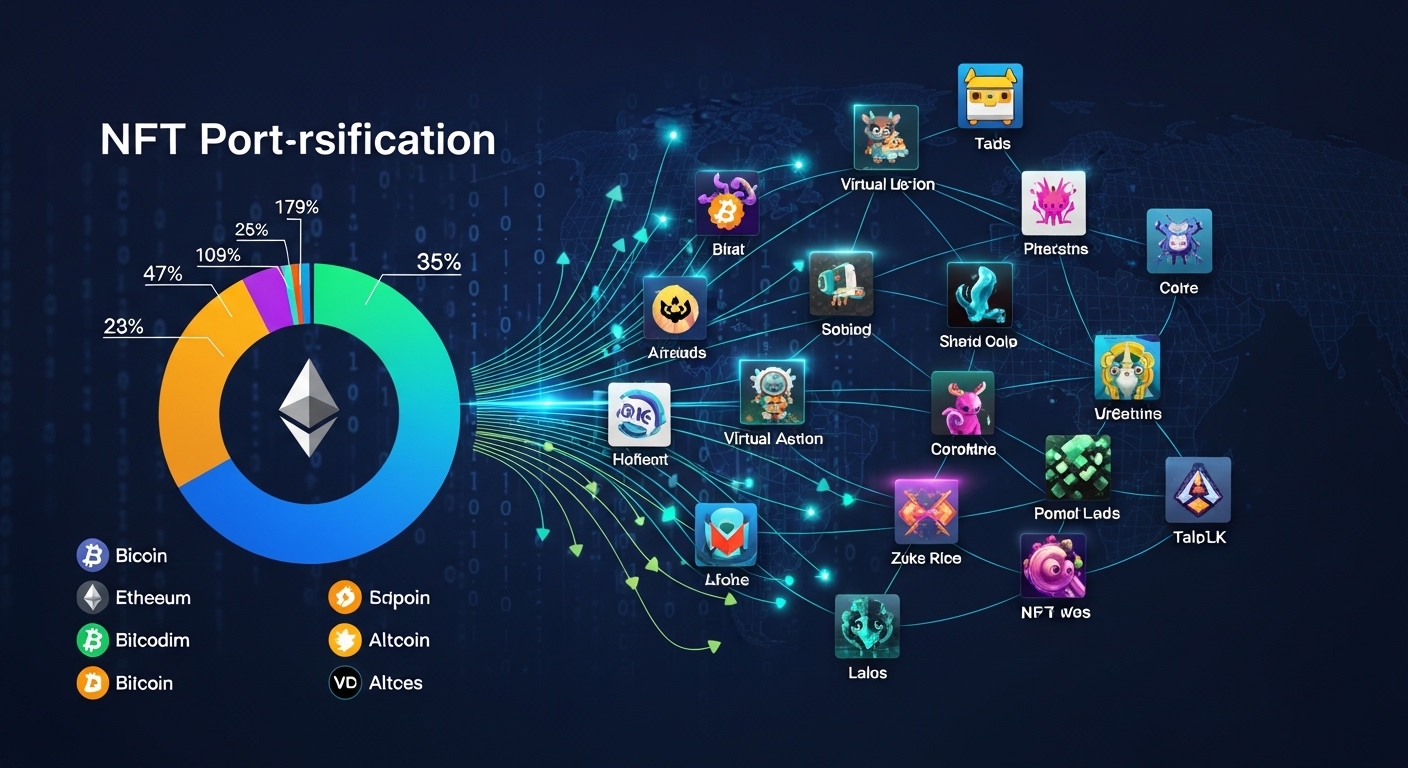
The surge in user adoption mirrored broader trends in decentralized finance. Investors, particularly retail participants, were drawn to platforms offering curated projects and perceived early-stage advantages. However, rapid expansion often brings operational strain.
Business Model and Revenue Streams
Treasure NFT reportedly generated revenue through transaction fees, asset listings, and possibly staking or yield-based mechanisms tied to NFT holdings. In such models, liquidity management becomes crucial. If a platform promises rewards, incentives, or instant withdrawals, it must maintain adequate reserves.
When Treasure NFT investors alarmed as withdrawal issues rise, it raises questions about how the platform structured its liquidity pools and whether its revenue streams were sustainable under market pressure.
Withdrawal Issues: What Investors Are Reporting
The primary concern fueling the conversation is the growing number of reports indicating delayed or blocked withdrawals. These incidents have created uncertainty and speculation among users.
Delayed Payouts and Frozen Accounts
Some investors claim they experienced extended waiting periods for withdrawal approvals. Others reported accounts temporarily restricted during verification processes. In financial platforms, delays can sometimes be attributed to compliance checks or technical upgrades. However, when patterns emerge, concerns escalate.
The phrase Treasure NFT investors alarmed as withdrawal issues rise captures the growing tension within the user community. Investors worry that temporary glitches could indicate deeper liquidity challenges.
Liquidity Constraints and Market Volatility
The NFT market is highly sensitive to broader crypto volatility. If asset values decline sharply, platforms may experience redemption pressure as investors rush to secure funds. In such scenarios, inadequate liquidity reserves can lead to processing delays. Liquidity constraints do not automatically imply misconduct. However, they do highlight structural weaknesses in digital asset platforms that depend on continuous inflows to maintain smooth operations.
Potential Causes Behind Withdrawal Problems
While official explanations may vary, several common factors often contribute to withdrawal disruptions in crypto-based platforms.
Technical Infrastructure Challenges
Blockchain transactions require network validation. During periods of high traffic, congestion can slow confirmations. If Treasure NFT relied on third-party wallets or decentralized infrastructure, technical bottlenecks could have impacted processing times.
However, technical issues typically resolve quickly. Persistent withdrawal complaints suggest either deeper backend complications or operational stress.
Regulatory and Compliance Pressures
Governments worldwide are tightening oversight on crypto and NFT platforms. Enhanced Know Your Customer and Anti-Money Laundering requirements may force platforms to pause withdrawals for additional verification. Increased scrutiny from regulators can cause temporary operational friction. Still, lack of transparent communication often amplifies investor anxiety.
Cash Flow and Liquidity Mismanagement
One of the more concerning possibilities is liquidity misalignment. If funds are tied up in illiquid NFTs or speculative investments, platforms may struggle to fulfill sudden withdrawal requests.
When Treasure NFT investors alarmed as withdrawal issues rise, many speculate about whether sufficient reserves exist to cover redemption demands. Liquidity transparency becomes critical in restoring trust.
Investor Sentiment and Community Reactions
In the digital age, investor sentiment spreads rapidly across social media and crypto forums. Discussions intensify when withdrawal complaints gain visibility.
Fear, Uncertainty, and Doubt
The crypto sector is particularly vulnerable to Fear, Uncertainty, and Doubt, commonly referred to as FUD. Once negative narratives gain traction, they can trigger panic-driven behavior.
As Treasure NFT investors alarmed as withdrawal issues rise, community groups have reportedly grown more vocal. Some investors are urging caution, while others are calling for official clarification.
Impact on Platform Reputation
Reputation in the NFT space is fragile. Platforms thrive on user confidence. Even temporary withdrawal issues can lead to long-term reputational damage. Trust erosion affects not only current investors but also potential new participants who monitor public sentiment before committing capital.
Broader Implications for the NFT Market
The concerns surrounding Treasure NFT reflect broader challenges within the NFT ecosystem.
The Importance of Transparency
Transparency is essential in decentralized finance. Platforms that disclose reserve structures, audit reports, and risk management strategies tend to maintain stronger investor confidence.
When Treasure NFT investors alarmed as withdrawal issues rise, calls for clearer reporting and independent audits intensify.
Sustainability of High-Yield Promises
Some NFT platforms attract users by advertising attractive yield mechanisms. However, sustainability depends on genuine revenue generation rather than continuous user growth.
If reward models rely heavily on incoming capital, they become vulnerable to market downturns. This vulnerability can manifest in withdrawal constraints during stress periods.
Risk Management Strategies for Investors
Situations like this highlight the importance of prudent risk management in digital asset investments.
Diversification and Asset Allocation
Investors should avoid concentrating funds on a single NFT platform. Diversification across multiple platforms and asset classes reduces exposure to platform-specific risks.
Maintaining a balanced portfolio that includes traditional investments alongside crypto assets can provide stability during turbulent periods.
Conducting Due Diligence
Before committing capital, investors should examine platform governance, leadership transparency, and financial disclosures. Reviewing user feedback and understanding withdrawal policies is essential. The experience of Treasure NFT investors alarmed as withdrawal issues rise underscores why thorough research matters.
Maintaining Personal Wallet Control
Where possible, holding NFTs in personal wallets rather than leaving them on centralized platforms can reduce counterparty risk. While trading convenience may decrease, ownership security increases.
Regulatory Landscape and Investor Protection
Regulatory clarity is evolving worldwide. Authorities aim to protect consumers without stifling innovation.
Global Regulatory Trends
Countries are implementing stricter frameworks for crypto exchanges and NFT platforms. Enhanced reporting requirements, reserve disclosures, and licensing procedures are becoming standard.
If regulatory scrutiny played a role in withdrawal delays, clearer communication from platforms becomes essential to reassure users.
Consumer Awareness and Legal Recourse
Investors should understand their legal standing when using NFT platforms. Terms of service agreements often outline dispute resolution procedures.
In situations where Treasure NFT investors alarmed as withdrawal issues rise, reviewing contractual rights becomes an important step.
Communication and Crisis Management
Effective communication can mitigate panic during operational challenges.
The Role of Official Statements
Timely updates addressing technical issues, liquidity status, and resolution timelines help reduce speculation. Silence, on the other hand, fuels concern. Investors typically respond more calmly when platforms provide transparent explanations and realistic timelines.
Rebuilding Trust After Disruptions
If withdrawal problems are resolved promptly, platforms can rebuild trust through enhanced transparency, third-party audits, and improved risk management frameworks. However, regaining lost confidence often requires sustained effort.
Lessons for the NFT Industry
The situation presents valuable lessons for both investors and platform operators.
Operational Resilience
Platforms must prioritize robust liquidity management and contingency planning. Stress testing withdrawal systems under extreme scenarios can prevent crises.
Responsible Growth Strategies
Rapid user expansion without adequate infrastructure can create vulnerabilities. Sustainable scaling requires careful resource allocation. The recurring narrative that Treasure NFT investors alarmed as withdrawal issues rise illustrates how operational gaps can quickly escalate into reputational crises.
Conclusion
The phrase Treasure NFT investors alarmed as withdrawal issues rise captures more than a temporary technical inconvenience. It reflects the fragile balance between innovation and trust within the NFT ecosystem. Withdrawal disruptions, whether caused by technical bottlenecks, regulatory friction, or liquidity strain, have profound implications for investor confidence.
While the final outcome of the situation remains uncertain, the episode serves as a cautionary tale. Transparency, liquidity management, and responsible governance are not optional in digital finance. Investors must remain vigilant, diversify wisely, and conduct thorough due diligence before committing capital.
The NFT market continues to evolve, offering immense potential alongside significant risk. By learning from current challenges, both platforms and participants can contribute to a more resilient and trustworthy digital asset environment.
FAQs
Q: Why are Treasure NFT investors alarmed as withdrawal issues rise?
Treasure NFT investors alarmed as withdrawal issues rise because delayed or restricted withdrawals create uncertainty about liquidity and operational stability. In digital asset platforms, immediate access to funds is crucial. When users experience processing delays without clear explanations, it raises concerns about whether the platform maintains sufficient reserves or faces regulatory or technical complications. The lack of transparency often intensifies these fears, prompting broader community discussions and heightened investor anxiety.
Q: Could market volatility be causing the withdrawal problems on Treasure NFT?
Market volatility can significantly impact NFT platforms. If asset prices decline sharply, investors may attempt to withdraw funds simultaneously, creating liquidity pressure. In such cases, platforms that lack adequate reserve management may struggle to process requests quickly. While volatility alone does not confirm structural issues, it can expose weaknesses in liquidity planning and stress management systems.
Q: What steps should investors take when facing withdrawal delays on NFT platforms?
Investors experiencing withdrawal delays should first review official communications from the platform to determine whether the issue is technical or regulatory in nature. Documenting transaction details and maintaining records of communications is advisable. Diversifying holdings across multiple platforms and using secure personal wallets for long-term storage can also reduce exposure to centralized operational risks.
Q: Are withdrawal issues always a sign of fraud or platform collapse?
Withdrawal issues do not automatically indicate fraud. They may stem from temporary technical challenges, compliance reviews, or network congestion. However, persistent delays combined with poor communication can signal deeper financial or operational stress. Investors should monitor updates closely and evaluate whether the platform demonstrates transparency and proactive problem-solving.
Q: How can the NFT industry prevent similar investor concerns in the future?
The NFT industry can reduce similar concerns by adopting stronger transparency standards, conducting independent audits, and implementing clear liquidity management frameworks. Regular public reporting and proactive communication during technical upgrades or regulatory reviews can also strengthen investor trust. As the sector matures, adherence to best practices in governance and risk management will become essential for long-term sustainability.