
DeFi

Coinbase Halts 25 Crypto Derivatives, Bitcoin and DeFi in Focus the global cryptocurrency market is once again witnessing a significant shift as Coinbase Halts 25 Crypto derivatives products, sending ripples across the digital asset industry. The move has placed Bitcoin derivatives, eco-friendly crypto initiatives, and DeFi trading platforms in sharp focus. As one of the world’s most influential crypto exchanges, Coinbase’s decisions often set the tone for broader market trends, regulatory strategies, and investor sentiment.
This development comes at a time when the crypto industry is navigating regulatory scrutiny, sustainability debates, and evolving investor expectations. The suspension of multiple crypto derivatives products is not merely an operational adjustment; it reflects deeper changes in the landscape of digital asset trading, crypto regulation compliance, and the ongoing maturation of the market.
We explore why Coinbase made this move, how it impacts Bitcoin, what it means for eco-conscious blockchain projects, and how the decentralized finance ecosystem is responding. We will also examine the broader implications for traders, institutions, and the future of cryptocurrency derivatives.
Coinbase Halts 25 Crypto
Coinbase, formally known as Coinbase, has long positioned itself as a compliance-first exchange operating within the evolving regulatory frameworks of major markets. The decision to put a stop on 25 cryptocurrency derivatives is believed to be influenced by tightening oversight from regulators and a reassessment of risk exposure.
Cryptocurrency derivatives, including futures and perpetual contracts, allow traders to speculate on price movements without directly owning the underlying asset. While these products offer high liquidity and potential returns, they also come with amplified risks. By suspending certain derivative offerings, Coinbase is likely aiming to streamline its portfolio and align more closely with regulatory expectations surrounding crypto derivatives trading and investor protection frameworks.
The exchange’s strategy appears to emphasize stability over aggressive expansion. In a volatile market environment, reducing exposure to complex derivative products can help mitigate systemic risks. This move also reinforces Coinbase’s image as a platform prioritizing compliance and long-term sustainability over short-term trading volume gains.
The Role of Bitcoin Derivatives in the Current Market
Bitcoin’s Dominance in Crypto Derivatives
Bitcoin remains the cornerstone of the cryptocurrency ecosystem. Even as Coinbase halts several derivative products, Bitcoin futures trading and related instruments continue to command significant market interest. As the first and most established cryptocurrency, Bitcoin often serves as the benchmark for the broader digital asset market.
The suspension of 25 cryptocurrency derivatives does not signal a retreat from Bitcoin. Instead, it highlights a more focused approach. Bitcoin derivatives markets are generally more liquid, transparent, and institutionally supported compared to those of smaller altcoins. By concentrating on flagship products, Coinbase may be optimizing its risk-adjusted growth strategy.
Institutional Interest and Regulatory Clarity
Institutional investors have increasingly entered the crypto space through regulated derivative products. The emphasis on Bitcoin derivatives aligns with the growing demand for compliant and transparent trading instruments. Regulatory bodies worldwide are scrutinizing leveraged crypto trading, and exchanges are adjusting accordingly.
By narrowing its derivatives portfolio, Coinbase may be positioning itself to better navigate evolving regulatory standards. The focus on regulated crypto trading platforms and robust compliance mechanisms can enhance trust among institutional participants.
Eco-Crypto and Sustainable Blockchain Initiatives Gain Attention
The Environmental Debate Around Crypto
The crypto industry has faced criticism over its environmental impact, particularly concerning energy-intensive mining operations. However, there has been a surge in eco-friendly cryptocurrencies and sustainable blockchain projects aimed at reducing carbon footprints.
Coinbase’s strategic realignment brings renewed attention to environmentally conscious projects. By trimming derivative offerings linked to higher-risk or less sustainable assets, the exchange may be signaling support for greener blockchain solutions. This shift could align with broader trends in sustainable crypto investing and environmental, social, and governance considerations.
Bitcoin’s Transition Toward Cleaner Energy
Although Bitcoin mining has been criticized for energy consumption, recent reports indicate increasing use of renewable energy sources. The conversation around Bitcoin energy efficiency is evolving. As Coinbase maintains its support for Bitcoin derivatives while suspending others, it may be reflecting confidence in Bitcoin’s long-term adaptability.
Eco-focused crypto projects are also gaining traction among retail and institutional investors who prioritize sustainability. The intersection of green blockchain technology and mainstream exchanges could redefine how derivatives are structured and marketed in the future.
DeFi in Special Focus Amid Centralized Exchange Adjustments
The Rise of Decentralized Finance
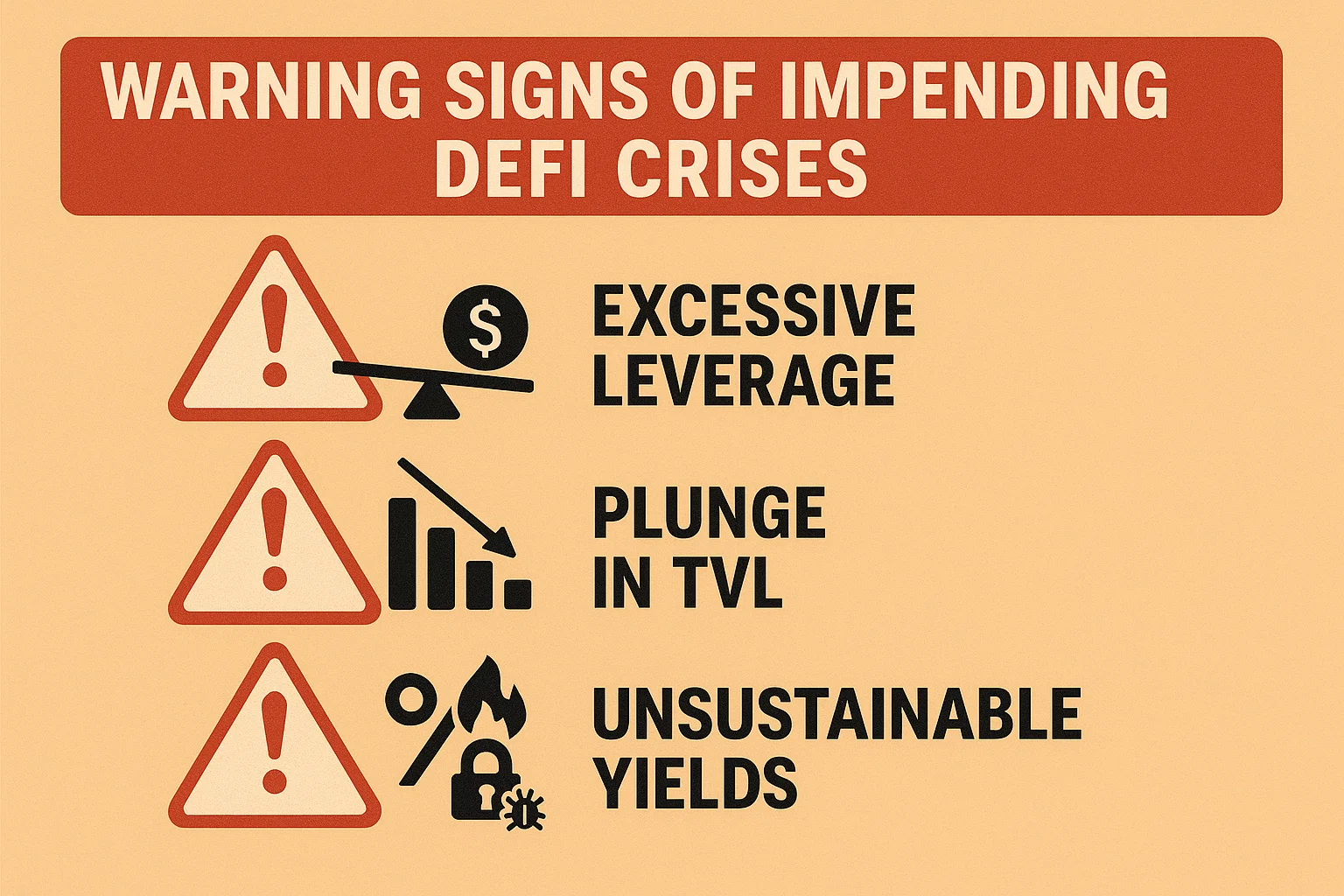
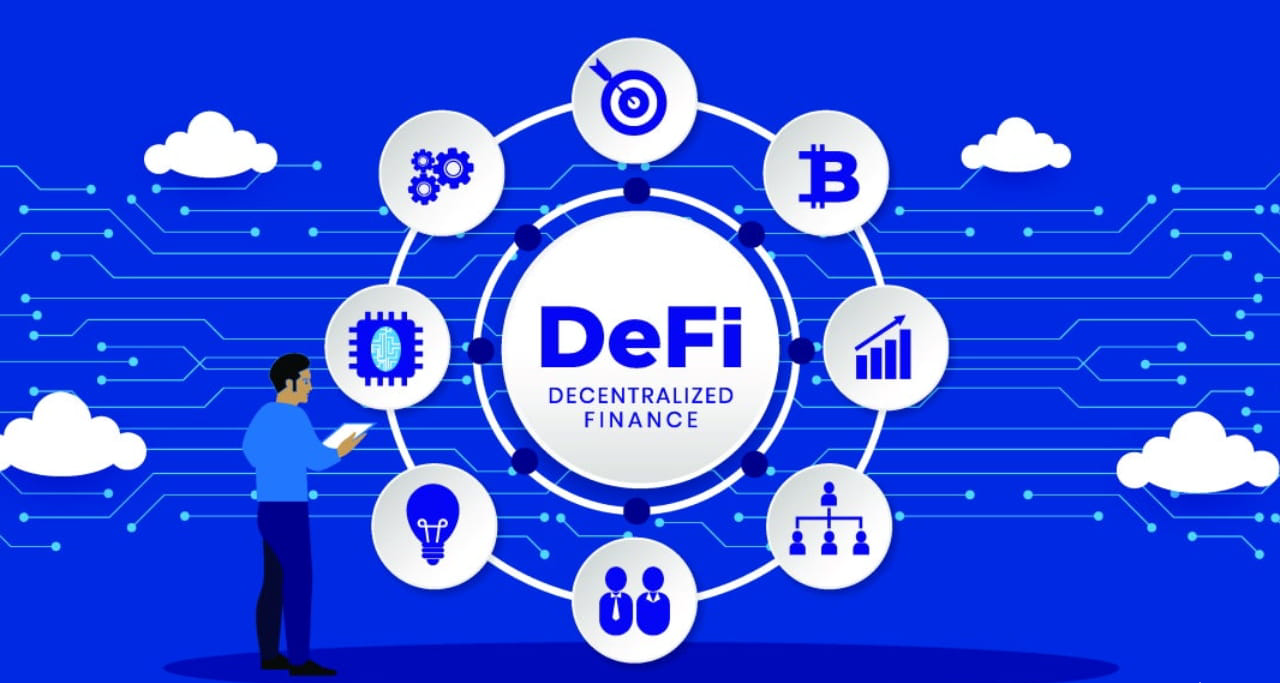
Decentralized finance, commonly known as DeFi, has transformed how financial services operate within the blockchain ecosystem. Platforms offering decentralized derivatives trading, yield farming, and lending protocols have expanded rapidly.
As Coinbase adjusts its centralized derivatives offerings, DeFi platforms may experience increased attention. Traders seeking access to niche or higher-leverage derivative products could turn to decentralized alternatives. This shift underscores the competitive dynamic between centralized exchanges and decentralized protocols.
Regulatory Pressure and DeFi Evolution
While DeFi offers permissionless access and innovation, it also faces regulatory uncertainty. Coinbase Halts 25 Crypto cautious approach highlights the balance between innovation and compliance. The exchange’s focus on core assets like Bitcoin and selective DeFi exposure suggests a recalibration rather than a retreat.
The evolving relationship between centralized exchanges and DeFi ecosystems may shape the next phase of crypto derivatives market development. Exchanges may integrate more compliant DeFi tools, blending decentralization with regulatory safeguards.
Market Reaction to the Derivatives Suspension
The immediate market response to Coinbase Halts 25 Crypto announcement was mixed. Some traders interpreted the suspension as a risk-reduction measure, while others viewed it as a sign of regulatory constraints tightening around crypto derivatives.
However, historical trends indicate that such strategic pauses can strengthen long-term stability. By prioritizing higher-quality products and reducing exposure to volatile instruments, exchanges can enhance market resilience. Investor confidence often hinges on transparency and predictability. Coinbase Halts 25 Crypto proactive approach could reassure stakeholders concerned about systemic risks in leveraged crypto trading.
Broader Implications for the Crypto Industry
Consolidation and Quality Over Quantity
The decision to halt 25 cryptocurrency derivatives reflects a broader industry trend toward consolidation. Exchanges are increasingly focusing on high-liquidity, high-demand products while discontinuing underperforming or high-risk offerings. This quality-over-quantity approach aligns with the maturing crypto ecosystem. As digital assets integrate more deeply with traditional finance, the emphasis shifts toward compliance, transparency, and sustainable growth.
Impact on Retail Traders
Retail traders accustomed to diverse derivative options may need to adjust strategies. While some may migrate to alternative exchanges, others could benefit from a more stable trading environment.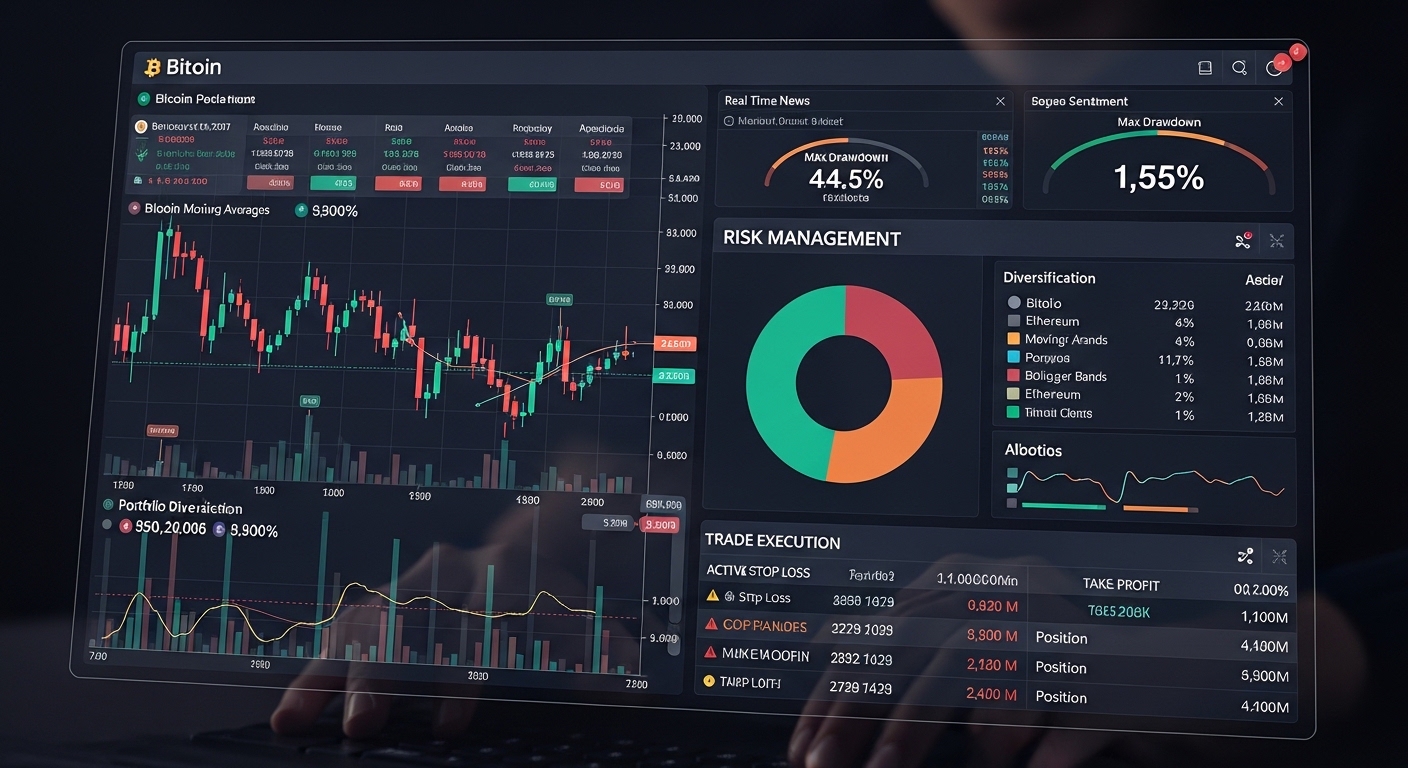
The emphasis on risk-managed crypto trading could ultimately protect less experienced investors from excessive leverage exposure. As regulatory frameworks evolve, exchanges that proactively adapt may gain competitive advantages.
Coinbase’s Long-Term Strategic Vision
Coinbase has consistently positioned itself as a bridge between traditional finance and the crypto economy. The derivatives suspension fits within a broader strategy of responsible expansion.
By emphasizing Bitcoin, eco-crypto initiatives, and selective DeFi engagement, Coinbase appears to be shaping a sustainable growth model. This approach prioritizes resilience over rapid product proliferation. The exchange’s focus on compliance may also facilitate expansion into new jurisdictions with clearer regulatory guidelines. As global regulators refine crypto policies, exchanges that demonstrate adaptability and caution are likely to thrive.
The Future of Cryptocurrency Derivatives
The global crypto derivatives market remains vast and dynamic. While Coinbase Halts 25 Crypto decision marks a temporary contraction in product offerings, it does not signal a decline in derivatives trading overall.
Instead, the market may witness a restructuring. Products tied to major assets like Bitcoin are likely to dominate, while speculative altcoin derivatives may face increased scrutiny. The rise of crypto risk management tools, improved compliance technologies, and sustainable blockchain initiatives will shape the next generation of derivative instruments.
Innovation in structured products, tokenized assets, and environmentally conscious investment strategies may further redefine the derivatives landscape.
Conclusion
Coinbase’s move to put a stop on 25 cryptocurrency derivatives represents a pivotal moment in the ongoing evolution of the crypto industry. By narrowing its focus to core assets like Bitcoin, highlighting eco-conscious initiatives, and carefully navigating DeFi exposure, the exchange signals a commitment to compliance and sustainability.
Rather than viewing this decision as a setback, it can be interpreted as a strategic recalibration in a rapidly maturing market. As regulatory expectations tighten and investor priorities shift toward transparency and sustainability, exchanges that adapt proactively may secure long-term success. The future of crypto derivatives will likely revolve around balanced innovation, regulatory alignment, and sustainable practices. Coinbase’s recent action underscores the importance of strategic discipline in shaping the next chapter of digital asset trading.
FAQs
Q: Why did Coinbase halt 25 cryptocurrency derivatives?
Coinbase halted 25 cryptocurrency derivatives primarily as part of a strategic reassessment of its product offerings in response to regulatory developments and risk management considerations. Cryptocurrency derivatives involve leveraged trading, which can amplify both gains and losses. With regulators globally paying closer attention to leveraged crypto products, Coinbase appears to be aligning its operations with stricter compliance standards. This move may also help streamline its portfolio, reduce operational complexity, and focus on more liquid and institutionally favored products such as Bitcoin derivatives.
Q: Does this decision affect Bitcoin trading on Coinbase?
The suspension mainly impacts certain derivative products rather than spot Bitcoin trading. Bitcoin remains a central asset on Coinbase, and Bitcoin derivatives continue to play a significant role in the exchange’s offerings. In fact, the decision may reinforce Bitcoin’s dominance, as Coinbase appears to be concentrating on core assets with stronger liquidity and regulatory clarity. Regular Bitcoin buying and selling activity remains unaffected.
Q: How could this impact DeFi platforms and decentralized exchanges?
As Coinbase reduces its derivatives offerings, some traders may explore decentralized finance platforms that offer similar products. DeFi protocols often provide decentralized derivatives trading with fewer restrictions, though they also carry higher risks and less regulatory oversight. This shift could accelerate innovation within DeFi while simultaneously increasing scrutiny from regulators seeking to monitor systemic risks across both centralized and decentralized ecosystems.
Q: What role does sustainability play in Coinbase’s strategy?
Sustainability is becoming increasingly important in the crypto industry. Environmental concerns around energy consumption have pushed exchanges and investors to evaluate eco-friendly blockchain solutions. Coinbase’s emphasis on eco-conscious crypto initiatives suggests it is aligning with broader environmental, social, and governance trends. By focusing on sustainable digital assets and supporting improvements in Bitcoin energy efficiency, Coinbase may be responding to investor demand for greener investment options.
Q: Will Coinbase relist these cryptocurrency derivatives in the future?
It is possible that Coinbase could reintroduce some of the halted cryptocurrency derivatives if regulatory conditions become clearer or if market demand justifies their return. Exchanges frequently adjust product offerings based on compliance requirements, liquidity metrics, and strategic priorities. Any future relisting would likely depend on regulatory approval, improved risk controls, and alignment with Coinbase’s long-term growth strategy.