

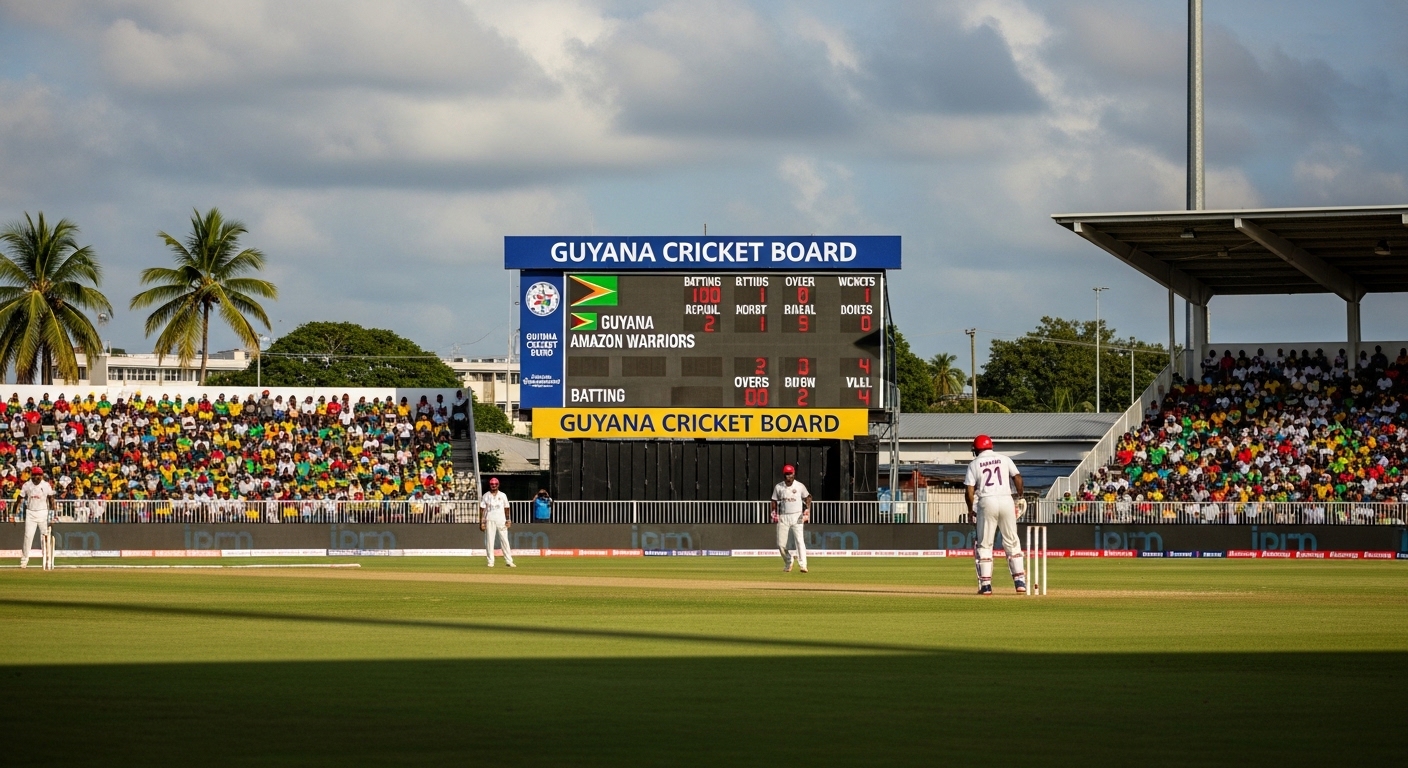
Guyana Cricket Board Distances Executive from Disputed Investment current executive from ‘disputed investment’ in a move that has sparked conversation across the Caribbean cricket landscape. In a region where cricket is more than a sport and often seen as a symbol of national pride, governance decisions carry weight far beyond administrative boardrooms. This development has ignited debate about transparency, leadership accountability, and the future of cricket administration in Guyana.
Cricket in Guyana has long been intertwined with the broader West Indies cricket ecosystem, and the actions of the Guyana Cricket Board frequently attract attention from stakeholders, fans, and regional observers. As questions emerged regarding a contested financial matter, the board acted swiftly to clarify its position, asserting that the current executive was not connected to the disputed investment. This statement aims to preserve institutional credibility while ensuring that governance remains insulated from past controversies.
In this article, we explore the context surrounding the situation, the governance framework of the Guyana Cricket Board, the implications for Caribbean cricket, and what this means for transparency in sporting bodies. By examining the issue from multiple angles, we provide a comprehensive look at how the board’s decision could shape the narrative moving forward.
Guyana Cricket Board
The Guyana Cricket Board is the official authority responsible for overseeing cricket operations across Guyana. From organizing domestic tournaments to managing player development pathways, the board plays a central role in nurturing talent that often progresses to represent the West Indies cricket team at the international level.
Governance within cricket boards in the Caribbean has historically been a sensitive matter. Financial management, sponsorship agreements, and infrastructure investments require strict oversight to maintain credibility. In the case where the Guyana Cricket Board distances current executive from ‘disputed investment,’ the board’s leadership emphasized that the matter in question predates the tenure of current officeholders.
Such clarification is significant because sports governance relies heavily on public trust. When disputes arise regarding investments or financial decisions, stakeholders expect immediate transparency. The board’s proactive communication suggests an awareness of how quickly reputational risks can escalate in today’s media-driven environment.
Understanding the ‘Disputed Investment’ Allegations
The phrase “disputed investment” typically implies disagreement over the legitimacy, authorization, or execution of a financial transaction. In sports organizations, investments may involve stadium upgrades, sponsorship deals, development programs, or partnership agreements.
When the Guyana Cricket Board distances current executive from ‘disputed investment,’ it is effectively separating the present leadership from decisions that may have been made under previous administrations. This distinction is critical because accountability in governance structures often depends on clear timelines and documented approvals.
In this situation, the board has indicated that the transaction or arrangement under scrutiny was not authorized or overseen by the current executive body. By clarifying this, the board seeks to maintain internal stability and reassure players, sponsors, and cricket fans that present operations remain unaffected.
The Importance of Transparency in Cricket Administration
Transparency has become a cornerstone of modern sports governance. Across the cricketing world, boards are increasingly expected to adhere to rigorous financial oversight standards, implement corporate governance frameworks, and publish clear reports detailing revenue and expenditures.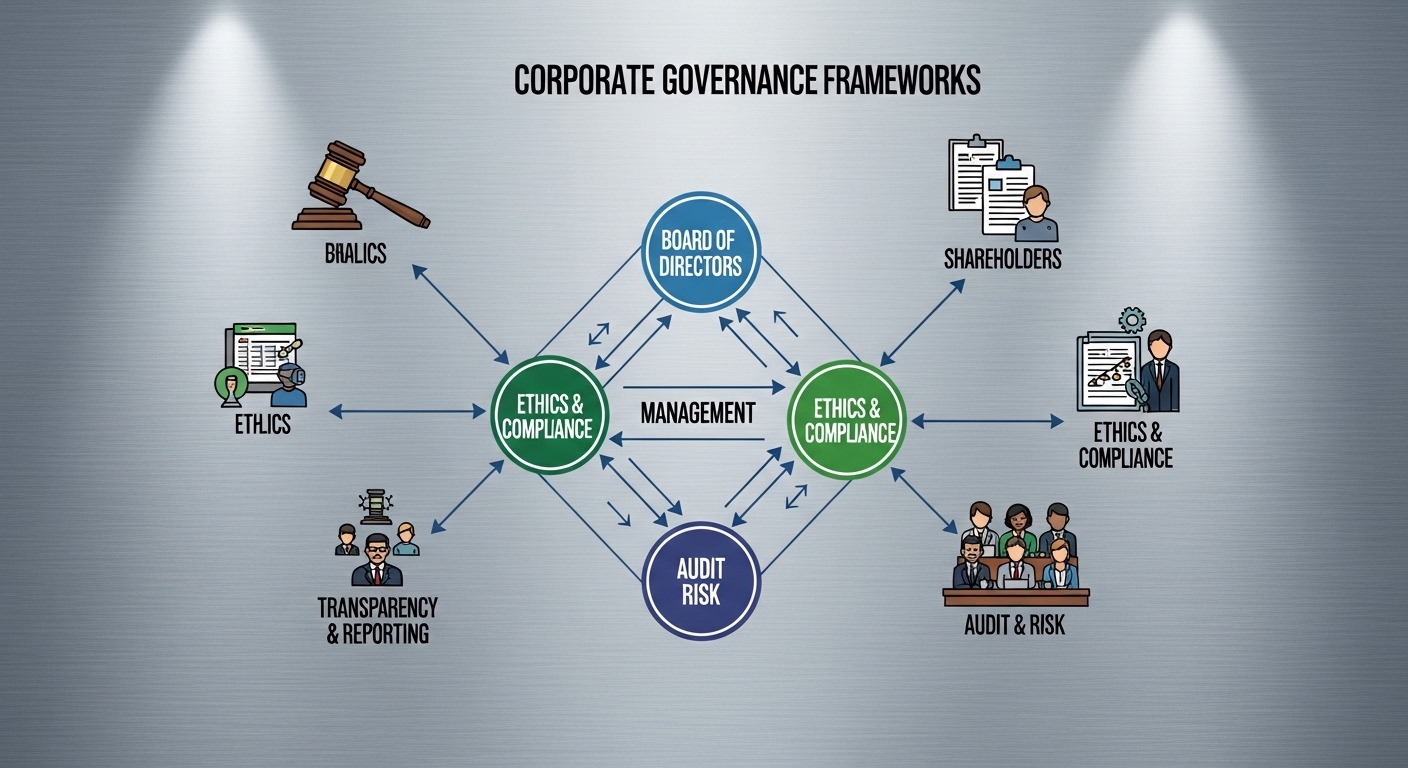
When the Guyana Cricket Board distances current executive from ‘disputed investment,’ it underscores the need for clear documentation and structured accountability. Stakeholders want to know that funds intended for grassroots cricket development, youth academies, and infrastructure projects are managed responsibly.
In the Caribbean, where cricket holds cultural and economic importance, governance controversies can have far-reaching consequences. A perceived lack of transparency may deter potential sponsors or create friction with regional authorities. Therefore, swift clarification serves not only as damage control but also as a reaffirmation of commitment to ethical management.
Implications for Regional Cricket Dynamics
Guyana has consistently produced elite cricketers who represent the West Indies on the global stage. Administrative stability within the Guyana Cricket Board is therefore vital to the broader health of Caribbean cricket.
When the Guyana Cricket Board distances current executive from ‘disputed investment,’ it sends a signal to regional partners and cricket administrators that governance continuity remains intact. This reassurance is particularly important for collaborative initiatives with the Cricket West Indies, which oversees cricket operations across multiple Caribbean territories.
Any governance dispute within a territorial board can ripple through regional competitions, selection processes, and development programs. By separating the current leadership from past financial disputes, the board attempts to shield ongoing cricket activities from administrative turbulence.
Leadership Accountability and Institutional Integrity
Leadership accountability forms the backbone of any sporting organization. When controversies arise, boards must decide whether to conduct internal audits, commission independent reviews, or publicly disclose findings.
In distancing its current executive from the disputed investment, the Guyana Cricket Board demonstrates an understanding of institutional integrity. The decision to clarify the timeline and decision-making authority reflects a strategic approach to governance communication.
Institutional integrity is not merely about avoiding wrongdoing but about fostering a culture of ethical decision-making and transparent leadership practices. This culture reassures players and fans that the sport’s administration prioritizes fairness and professionalism.
Media Attention and Public Perception
Media coverage plays a significant role in shaping public perception of sports governance matters. Even minor disputes can gain significant traction if narratives are not carefully managed. The announcement that the Guyana Cricket Board distances current executive from ‘disputed investment’ likely aims to prevent misinformation from spreading. Clear messaging helps avoid speculation and ensures that public discourse remains grounded in verified information.
In the digital age, social media amplifies both facts and rumors. Therefore, prompt and transparent communication becomes essential to maintaining credibility. By addressing the issue directly, the board attempts to control the narrative rather than allowing assumptions to dominate.
Financial Governance and Risk Management in Sports
Financial governance in sports involves risk assessment, compliance monitoring, and strategic investment planning. Boards must balance ambition with caution, ensuring that investments align with long-term development goals.
When questions arise about a disputed investment, stakeholders often worry about potential financial exposure or reputational harm. The Guyana Cricket Board distances current executive from ‘disputed investment’ to clarify that current strategies and financial planning processes remain robust.
Modern sports organizations typically adopt risk management protocols and independent auditing mechanisms to prevent disputes. Strengthening these systems not only reduces controversy but also enhances investor confidence.
The Broader Caribbean Context
Cricket boards across the Caribbean have occasionally faced governance challenges, reflecting broader structural and financial complexities within the region. Economic pressures, infrastructure demands, and fluctuating sponsorship revenues create a challenging administrative environment.
By asserting that the current executive is not linked to the disputed investment, the Guyana Cricket Board aims to preserve continuity within the Caribbean cricket framework. Stability at the territorial level contributes to cohesive regional planning and international competitiveness. Caribbean cricket thrives when territorial boards collaborate effectively under unified governance principles. Any perception of instability could undermine efforts to rebuild West Indies cricket’s global standing.
Moving Forward: Strengthening Governance Frameworks
The episode presents an opportunity for institutional reflection. While the Guyana Cricket Board distances current executive from ‘disputed investment,’ the broader conversation about governance reform remains relevant.
Strengthening compliance structures, updating internal bylaws, and conducting regular audits can prevent similar disputes in the future. Transparent reporting mechanisms allow stakeholders to monitor financial decisions and ensure accountability.
Additionally, investing in governance education for board members may enhance decision-making quality. Professional development in financial management and legal compliance can safeguard cricket organizations from unintended controversies.
Conclusion
The statement that the Guyana Cricket Board distances current executive from ‘disputed investment’ represents more than a simple administrative clarification. It reflects the ongoing evolution of sports governance in Guyana and across the Caribbean. By separating present leadership from past financial disputes, the board seeks to maintain credibility, reassure stakeholders, and preserve the integrity of cricket administration.
In a region where cricket symbolizes unity and pride, transparent governance is essential. The board’s proactive communication demonstrates awareness of public expectations and the importance of institutional accountability. Moving forward, sustained commitment to financial transparency, ethical leadership, and structured oversight will be key to ensuring that Guyanese cricket continues to thrive both domestically and internationally.
FAQs
Q: Why did the Guyana Cricket Board distance its current executive from the disputed investment?
The Guyana Cricket Board distanced its current executive from the disputed investment to clarify that the financial matter in question was not authorized or overseen by the present leadership. This step was taken to protect institutional credibility and reassure stakeholders that current governance practices remain transparent and accountable. By distinguishing between past and present administrations, the board aims to prevent reputational damage and maintain operational stability.
Q: What does a disputed investment typically mean in sports governance?
A disputed investment in sports governance usually refers to a financial transaction or agreement that is questioned due to concerns about authorization, transparency, compliance, or procedural adherence. It may involve disagreements over funding allocations, partnership arrangements, or infrastructure spending. Such disputes often prompt reviews or clarifications to ensure accountability and safeguard the organization’s integrity.
Q: How could this situation impact cricket in Guyana and the wider Caribbean?
Although the board has clarified that current executives are not involved, any governance controversy can create temporary uncertainty. However, by addressing the issue promptly, the Guyana Cricket Board helps minimize disruption. Stability within territorial boards like Guyana’s is important for regional collaboration under Cricket West Indies and for maintaining confidence among players, sponsors, and fans throughout the Caribbean.
Q: What governance measures can prevent similar disputes in the future?
Preventative measures include implementing stronger financial oversight systems, conducting independent audits, enhancing documentation protocols, and promoting governance training for board members. Establishing clear compliance guidelines and transparent reporting structures ensures that investments are properly vetted and recorded, reducing the likelihood of disputes or misunderstandings.
Q: Why is transparency so important for cricket boards?
Transparency builds trust among stakeholders, including players, sponsors, fans, and regional partners. Cricket boards manage public interest and significant financial resources, making accountability essential. When organizations communicate openly about governance matters, they strengthen their credibility and create a stable foundation for long-term development and success.