

War on Bugs Introduces NFT Support and UI Overhaul in a transformative update that signals a new chapter for the game and its growing community. As blockchain technology continues to reshape digital entertainment, the integration of NFTs and a refined user interface reflects a broader shift toward immersive, player-driven ecosystems. This update does not simply tweak a few features; it reimagines how players interact with assets, navigate the platform, and experience gameplay at every level.
The gaming world has seen a steady rise in blockchain gaming, digital collectibles, and web3 integration, but meaningful implementation often separates standout titles from fleeting trends. With War on Bugs introducing NFT support and major UI improvements, the developers demonstrate a clear understanding of both technological innovation and player expectations. This combination enhances not only the game’s economic layer but also its accessibility and visual clarity.
The new update represents a bold leap into the future of play-to-earn mechanics, in-game asset ownership, and interactive design evolution. It reflects a thoughtful approach to creating a sustainable ecosystem where usability and innovation coexist. By blending advanced NFT functionality with an intuitive interface redesign, War on Bugs positions itself as a serious contender in the competitive world of blockchain-enabled gaming.
War on Bugs Introduces NFT
War on Bugs has always centered around strategic gameplay, competitive mechanics, and a dynamic virtual environment. However, the introduction of NFT support and major UI improvements signals an expanded vision. The developers are not just adding blockchain elements; they are integrating them into the core identity of the platform.
At its foundation, the game aims to create a living ecosystem. Players are not simply participants but stakeholders. By enabling NFT-based assets, the game enhances true digital ownership, allowing users to control, trade, and utilize items beyond traditional gaming limitations. This update reinforces the concept that player investment extends beyond time and skill to tangible digital value.
The redesigned interface complements this vision. As the ecosystem grows more complex with NFT functionality, clarity and accessibility become critical. The improved UI ensures that both newcomers and experienced players can navigate seamlessly, making blockchain features approachable rather than intimidating.
The Rise of NFT Integration in Gaming
NFT integration has become one of the most discussed trends in modern gaming. When War on Bugs introduces NFT support and major UI improvements, it aligns itself with the expanding universe of decentralized gaming platforms. NFTs provide a framework for verifiable ownership and transparent transactions, which appeals to gamers seeking fairness and autonomy.
Unlike traditional in-game items that remain locked within centralized servers, NFT-backed assets operate on blockchain networks. This means players can buy, sell, or trade items independently, adding a real-world economic dimension. The update enhances this process by ensuring NFT functionality is deeply embedded into gameplay rather than functioning as a superficial add-on.
By integrating NFTs thoughtfully, War on Bugs strengthens its appeal to both competitive players and collectors. The introduction of unique digital assets, blockchain-secured inventories, and tokenized rewards creates a layered experience that rewards engagement and strategy.
How NFT Support Transforms Gameplay
The most significant aspect of War on Bugs introducing NFT support and major UI improvements lies in how gameplay dynamics evolve. NFT-backed items are not merely cosmetic; they carry strategic weight. Players can now acquire exclusive characters, skins, or abilities that exist as verifiable assets on the blockchain.
This transformation changes how progression feels. Instead of grinding solely for temporary rewards, players work toward acquiring assets with lasting value. The sense of achievement deepens when items have authenticity and scarcity verified by blockchain systems.
Moreover, NFT integration encourages a thriving secondary market. Players can trade items based on demand and rarity, fostering a player-driven economy. This introduces new layers of strategy, as asset management becomes as important as in-game combat skills.
Major UI Improvements Elevate the User Experience
While NFT support is a headline feature, the major UI improvements deserve equal attention. A visually refined and streamlined interface ensures that new blockchain components feel intuitive rather than overwhelming. War on Bugs introduces NFT support and major UI improvements in a way that emphasizes balance between innovation and usability.
The updated design focuses on clarity. Navigation menus are reorganized for smoother transitions, while asset dashboards provide detailed information without clutter. Players can track their NFT holdings, transaction histories, and marketplace listings with ease.
These improvements reflect modern user interface design principles, including responsive layouts and accessibility enhancements. The result is a cleaner, more engaging experience that encourages longer play sessions and smoother onboarding.
Enhancing Accessibility for New Players
A critical challenge in blockchain gaming is onboarding newcomers unfamiliar with NFTs or cryptocurrency systems. By combining NFT support with thoughtful UI redesign, War on Bugs reduces friction. The interface simplifies wallet connections, asset transfers, and marketplace browsing.
Clear visual cues and guided prompts make blockchain interactions less intimidating. This approach broadens the game’s potential audience, welcoming players who might otherwise hesitate to explore NFT-based platforms. The update demonstrates that technological sophistication does not have to compromise accessibility. Instead, it can enhance inclusivity when paired with intuitive design.
Economic Implications of NFT Support
The introduction of NFT functionality significantly impacts the in-game economy. When War on Bugs introduces NFT support and major UI improvements, it effectively decentralizes asset control. Players gain agency over their digital possessions, fostering trust and transparency.
NFT-backed assets can appreciate in value based on rarity and demand. This creates an incentive structure that rewards early adoption and strategic investment. The player-driven marketplace becomes a dynamic environment where supply and demand influence pricing.
Additionally, transparent blockchain records reduce disputes over ownership. This builds credibility and reinforces the game’s reputation as a fair and secure platform.
Strengthening Community Engagement
Community engagement often determines a game’s longevity. By enabling NFT support, War on Bugs empowers players to become active participants in its ecosystem. The ability to trade, showcase, and collect rare assets strengthens social interaction.
Major UI improvements also enhance community features. Streamlined chat systems, profile customization, and leaderboard visibility encourage healthy competition and collaboration. The improved interface makes it easier for players to connect, compare achievements, and form alliances. This synergy between ownership and communication fosters a more vibrant and invested community.
Technical Foundations Behind the Update
War on Bugs introduces NFT support and major UI improvements through robust technical infrastructure. Blockchain integration requires secure smart contracts and efficient network performance. The developers appear to have prioritized reliability, ensuring transactions process smoothly without disrupting gameplay.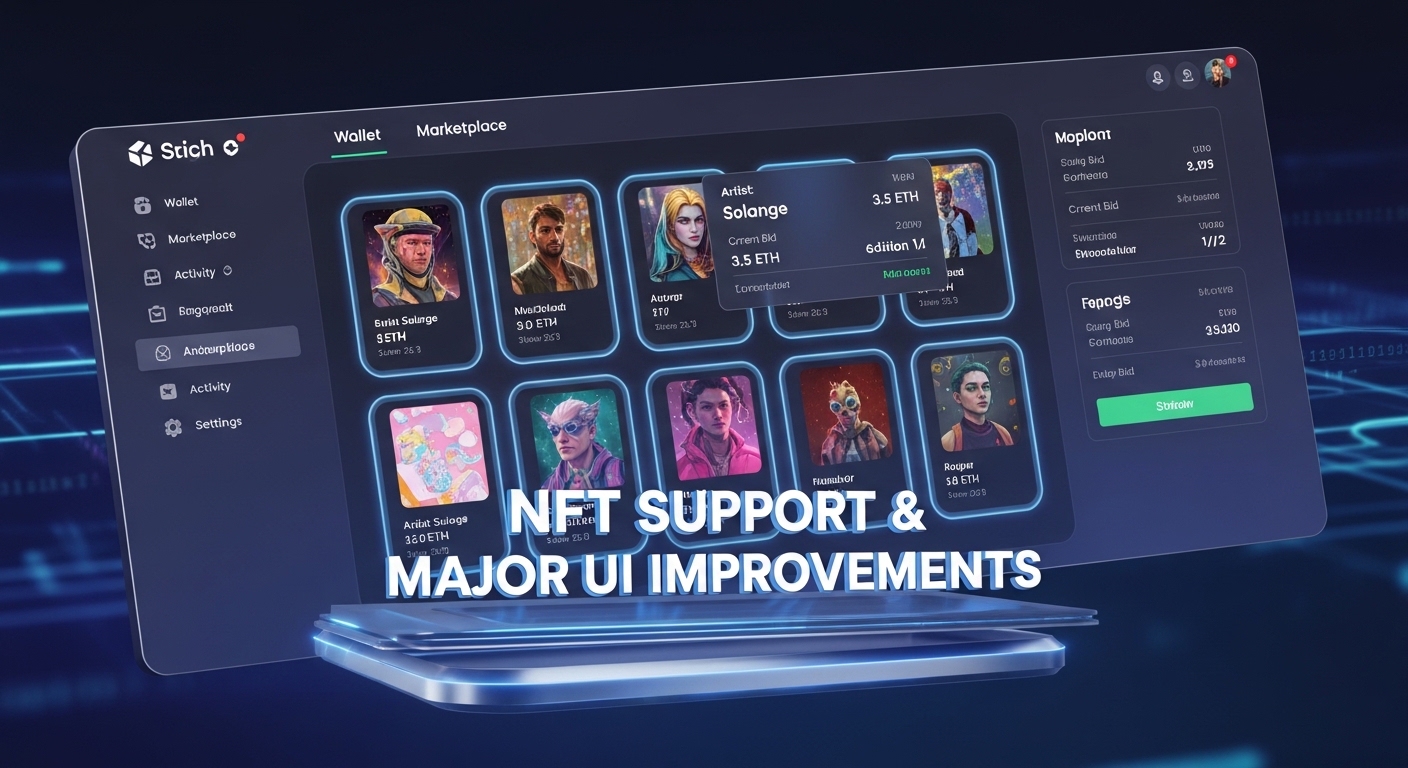
The UI overhaul likely involved frontend optimization and backend enhancements. Faster load times, improved responsiveness, and cross-device compatibility contribute to a polished experience. These technical upgrades support scalability. As the player base grows, the infrastructure must handle increased transaction volume and asset storage without compromising performance.
Competitive Positioning in the Blockchain Gaming Market
The blockchain gaming landscape is increasingly competitive. By introducing NFT support and major UI improvements, War on Bugs differentiates itself through thoughtful execution. Many projects rush into NFT integration without addressing usability concerns. This update demonstrates a more balanced approach.
The combination of strategic gameplay and secure digital ownership positions the game within the broader crypto gaming ecosystem. It appeals to both traditional gamers and blockchain enthusiasts. With improved interface design and transparent asset management, War on Bugs strengthens its market credibility and long-term sustainability.
Future Outlook and Expansion Potential
The update opens doors for future innovation. NFT support enables expansion into new asset categories, seasonal drops, and collaborative events. The improved UI provides a flexible foundation for adding features without overwhelming users.
As the game evolves, further integration of metaverse concepts, tokenized economies, and advanced customization options may become possible. War on Bugs introduces NFT support and major UI improvements not as an endpoint but as a stepping stone toward deeper digital immersion.
Conclusion
War on Bugs introduces NFT support and major UI improvements in a comprehensive update that reshapes gameplay, ownership, and user experience. By blending blockchain-backed assets with an intuitive interface, the game achieves a rare balance between innovation and accessibility. NFT integration enhances strategic depth and economic opportunity, while UI enhancements ensure clarity and ease of use.
This dual focus strengthens the game’s competitive standing and fosters community engagement. As blockchain gaming continues to mature, War on Bugs demonstrates how thoughtful design and technological integration can coexist. The update represents more than a feature release; it marks a decisive evolution toward a player-centric digital ecosystem.
FAQs
Q: How does War on Bugs introducing NFT support and major UI improvements change the overall player experience?
War on Bugs introducing NFT support and major UI improvements significantly enhances both ownership and usability. Players now have verifiable control over their digital assets, which can be traded or collected as scarce items. At the same time, the redesigned interface simplifies navigation, making blockchain interactions seamless and accessible. This combination ensures that innovation does not come at the cost of comfort or clarity.
Q: Are NFTs in War on Bugs purely cosmetic, or do they impact gameplay strategy?
The NFT support introduced in War on Bugs goes beyond cosmetic appeal. Many NFT-backed assets carry functional value, influencing gameplay strategy and progression. Players can acquire unique characters, abilities, or items that affect competitive outcomes. This integration deepens strategic planning and adds a meaningful layer to asset management within the game’s ecosystem.
Q: What role do the major UI improvements play in onboarding new players?
The major UI improvements play a crucial role in welcoming new players, especially those unfamiliar with blockchain systems. Simplified wallet connections, clear dashboards, and intuitive asset management tools reduce the learning curve. By presenting NFT features in a user-friendly manner, the update ensures that newcomers can participate confidently without feeling overwhelmed by technical complexity.
Q: How does NFT support influence the in-game economy of War on Bugs?
NFT support transforms the in-game economy into a more decentralized and transparent system. Players gain true digital ownership, allowing them to trade assets in a marketplace driven by supply and demand. Scarcity and rarity influence pricing, creating economic incentives and encouraging strategic investment. Transparent blockchain records further enhance trust within the ecosystem.
Q: What future developments could build on this update?
With War on Bugs introducing NFT support and major UI improvements, the foundation is set for future expansion. Developers could introduce limited-edition NFT drops, seasonal asset collections, or expanded marketplace functionality. The improved interface allows for seamless feature additions, ensuring that upcoming innovations integrate smoothly into the existing platform while maintaining usability and performance.